
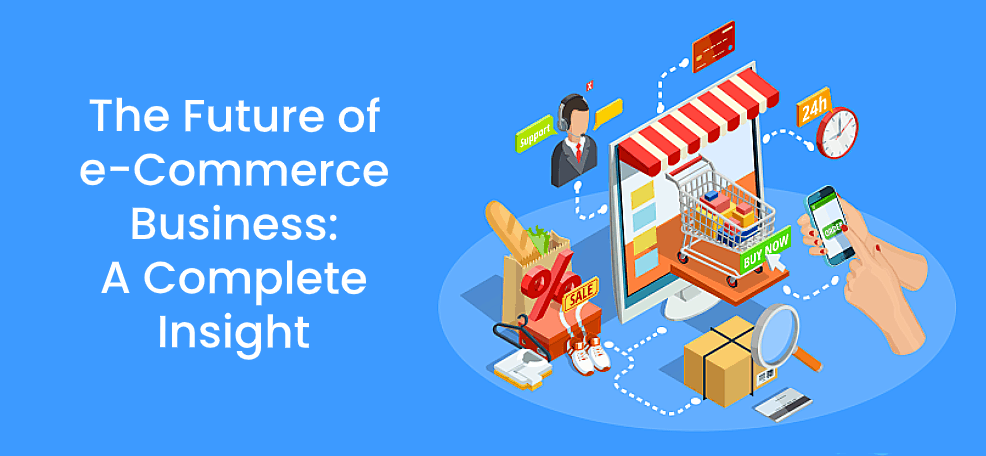
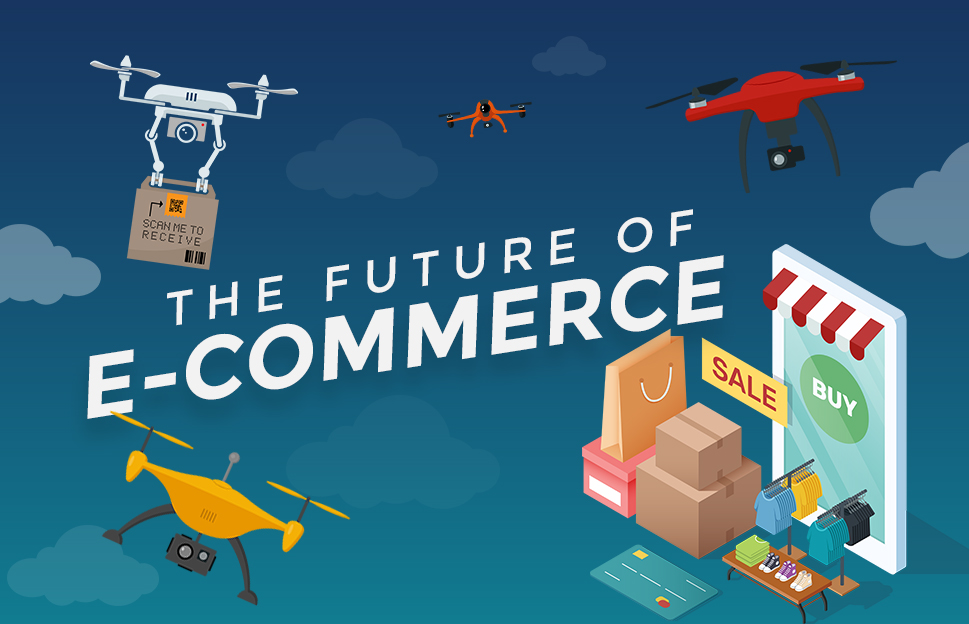
The world of e-commerce is evolving faster than ever, and marketers need to keep pace to remain competitive. Understanding the future of e-commerce marketing is essential for businesses to stay ahead in 2025 means not just keeping up with current trends but predicting the shifts that will define how consumers shop online in the next few years.
Whether you run a small online store or manage a large e-commerce platform, staying ahead of these trends can help you increase sales, improve customer experience, and strengthen your brand’s presence.
1. Personalization Will Become the Norm
Consumers today expect more than just generic shopping experiences. AI-driven personalization allows e-commerce stores to tailor product recommendations, emails, and advertisements based on individual browsing history, purchase behavior, and even social media activity.
Personalized experiences increase conversion rates and customer loyalty. For example, if a customer frequently buys eco-friendly products, showing similar items or bundles can encourage repeat purchases. By 2025, successful e-commerce businesses will treat personalization not as an optional strategy but as a core part of their marketing plan.
Using dynamic website content that adapts to each user’s preferences can also enhance engagement. Brands should track customer journeys and analyze data to offer timely discounts, product suggestions, or reminders that match individual needs.
2. Voice Search Optimization in the Future of E-commerce Marketing
With the rise of smart speakers and voice assistants, voice search is transforming online shopping. Users now ask questions like, “Where can I buy sustainable sneakers near me?” instead of typing keywords.
Optimizing your product pages and content for voice search means focusing on natural language, long-tail keywords, and question-based phrases. Brands that adapt to voice search early will gain a significant advantage in visibility and traffic.
3. Social Commerce Is Growing Rapidly
Social media platforms are no longer just for brand awareness—they are becoming direct sales channels. Instagram Shops, TikTok Shopping, and Pinterest’s Buyable Pins allow consumers to purchase without leaving the app.
Integrating social commerce into your marketing strategy can shorten the buyer journey, increase impulse purchases, and reach a younger audience. Many brands are also using live shopping events to engage customers in real-time, making purchases more interactive and enjoyable.
4. Augmented Reality (AR) Enhances Shopping
AR technology allows customers to “try before they buy” digitally. From trying on clothes virtually to visualizing furniture in a living room, AR reduces hesitation and increases purchase confidence.
Investing in AR experiences will be a key differentiator for e-commerce brands in the coming years. As more mobile devices support AR, customer adoption will grow exponentially. Brands can also use AR in their marketing campaigns to create shareable, engaging content.
5. Sustainable and Ethical Shopping Trends
Modern consumers are increasingly aware of sustainability and ethical practices. Brands that highlight eco-friendly products, ethical sourcing, and transparent supply chains are gaining trust and loyalty.
Marketing campaigns in 2025 will need to communicate these values clearly. Green marketing is not just a trend—it’s a necessity for long-term brand credibility. Highlighting your sustainability efforts in blogs, social media posts, and product descriptions can help attract conscious consumers.
6. AI and Automation for Smarter Marketing
AI tools are revolutionizing e-commerce marketing. From chatbots providing instant customer support to AI-powered analytics that predict buying patterns, automation is saving time while improving customer experience.
Investing in AI-driven marketing can help personalize offers, optimize pricing, and improve inventory management, giving businesses a significant competitive edge. Marketers can also use AI for content creation, email segmentation, and predictive recommendations.
Conclusion
The future of e-commerce marketing is shaped by personalization, social commerce, voice search, AR experiences, sustainability, and AI-driven automation. Businesses that embrace these trends early will not only survive but thrive in an increasingly competitive market.
To stay ahead, monitor emerging tools, invest in smart technologies, and always prioritize customer experience. The e-commerce landscape is evolving, and your strategy must evolve with it.